
Uncle Sam Poster History: The Story Behind an American Icon
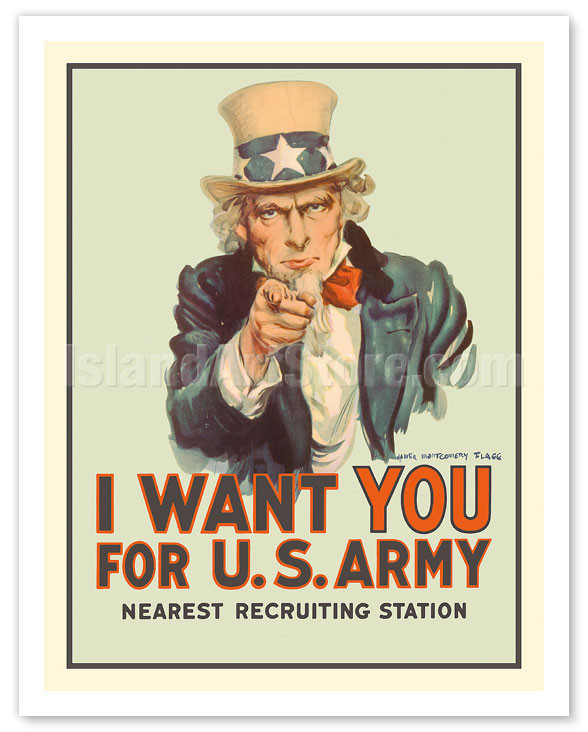
The image of Uncle Sam pointing directly at you is one of the most recognizable symbols of American patriotism. It has inspired generations to serve, support, and stand behind their country. But where did this iconic figure come from, and how did a simple poster become a powerful tool for recruitment and national pride? For lovers of vintage travel and advertising art, understanding the story behind Uncle Sam offers a glimpse into America’s cultural history and the art of persuasion.
This article explores the origins of the Uncle Sam poster, its evolution through different eras, and why it remains a timeless piece of Americana. Whether you’re a design-savvy traveler or a collector of vintage-inspired wall décor, the tale of Uncle Sam connects history, art, and storytelling in a way few other images do.
The Origins of Uncle Sam
Who Was Uncle Sam?
Uncle Sam first emerged as a personification of the United States government during the War of 1812. The nickname is believed to have originated from Samuel Wilson, a meatpacker from Troy, New York, who supplied barrels of beef to the U.S. Army. The barrels were stamped with “U.S.” for United States, but soldiers jokingly referred to the provisions as coming from “Uncle Sam.”
This informal nickname soon became a popular symbol representing the federal government, especially during times of conflict and national unity. Over the decades, Uncle Sam evolved from a colloquial figure into a distinct character with a recognizable look. The concept of Uncle Sam resonated deeply with the American public, embodying the spirit of the nation and its ideals, such as liberty, democracy, and resilience. As the country faced various challenges, from wars to economic crises, Uncle Sam served as a rallying point, reminding citizens of their shared responsibilities and the importance of unity.
The Artistic Evolution of Uncle Sam
The visual representation of Uncle Sam took shape in the late 19th and early 20th centuries. Early depictions showed him as a tall, thin man with white hair and a goatee, dressed in clothing that echoed the American flag’s stars and stripes. This design helped cement Uncle Sam as a symbol of American values and patriotism. The iconic top hat, often adorned with stars and stripes, became a signature element of his attire, further enhancing his status as a national figure.
Artists contributed to refining the image, making it more approachable yet authoritative. This blend of familiarity and command made Uncle Sam an ideal figure for government messaging and recruitment efforts. Notably, during World War I and World War II, Uncle Sam was featured prominently in recruitment posters, with the famous “I Want You” campaign, which called upon citizens to enlist in the military. These posters not only showcased Uncle Sam's compelling image but also tapped into the emotional currents of the time, inspiring a sense of duty and patriotism among Americans. As a result, Uncle Sam became not just a figure of fun but a serious emblem of national pride and commitment to the country’s ideals. Over time, his image has been adapted and reinterpreted in various forms of media, solidifying his place in American culture and history.
The Famous Recruitment Poster
James Montgomery Flagg’s Iconic Design
In 1917, artist James Montgomery Flagg created the most famous Uncle Sam image for World War I recruitment. The poster shows Uncle Sam pointing directly at the viewer with the words “I Want YOU for U.S. Army.” This direct address created a personal connection, compelling men to enlist and support the war effort. Flagg's portrayal of Uncle Sam was not just a random choice; it drew on a long tradition of using national personifications to evoke patriotism and duty. The character of Uncle Sam, often seen as a representation of the United States itself, became a rallying figure that resonated deeply with the American public during a time of national crisis.
Flagg’s illustration borrowed elements from earlier depictions but added a new level of intensity and urgency. The poster’s success was immediate and enduring, becoming a staple of American propaganda through World War II and beyond. Interestingly, Flagg used his own image as a reference for Uncle Sam, which added a layer of authenticity and relatability. The poster not only called for enlistment but also served as a reminder of the shared responsibility of citizenship, urging every American to contribute to the war effort in whatever way they could.
Why the Poster Resonates
- Direct Engagement: The pointing finger and intense gaze make the viewer feel personally called to action.
- Clear Message: The simple wording leaves no doubt about the poster’s intent.
- Timeless Design: The patriotic colors and classic imagery evoke pride and duty.
This combination of factors helped the Uncle Sam poster become a cultural icon, used in various forms of media and merchandise over the years. The image has been parodied and referenced in countless contexts, from political cartoons to modern advertising campaigns, showcasing its lasting impact on American culture. The poster has sparked discussions about the nature of patriotism and the responsibilities of citizenship, prompting many to reflect on what it means to serve one's country. As a result, Flagg's work transcended its original purpose, evolving into a symbol of national identity that continues to inspire and provoke thought to this day.
Uncle Sam in Vintage and Collectible Art
The Poster as a Statement Piece
Today, the Uncle Sam poster is more than just a recruitment tool-it’s a collectible piece of art that captures a moment in American history. For those who appreciate vintage advertising and mid-century design, it represents the power of imagery to shape public opinion and inspire action.
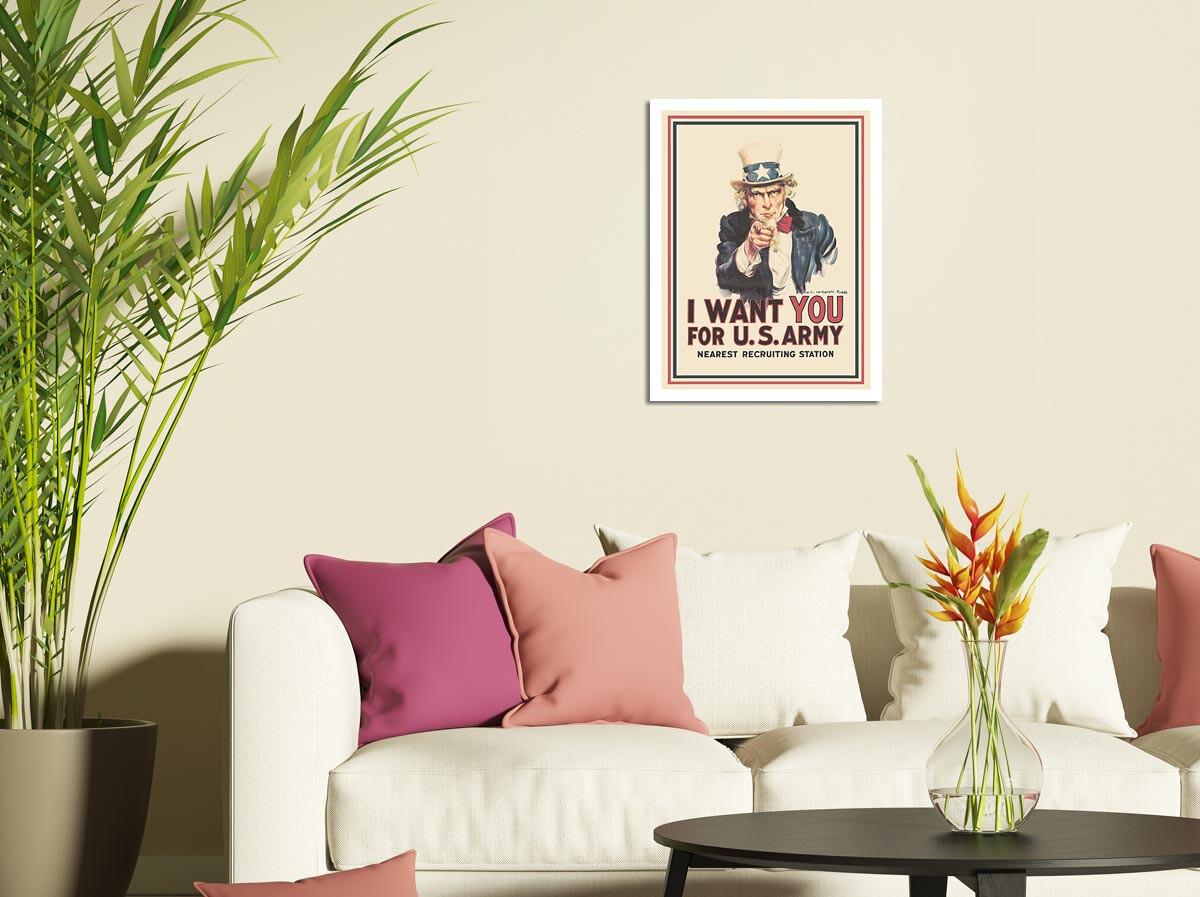
Collectors and décor enthusiasts often seek high-quality reproductions of this classic poster to add a nostalgic, patriotic statement to their homes or offices. Its bold graphics and historical significance make it a perfect fit for gallery walls or themed rooms celebrating Americana.
Where to Find Authentic Reproductions
For those interested in owning a piece of this history, Classic Vintage Posters offers carefully restored, gallery-quality reproductions of the Uncle Sam recruitment poster. Printed on archival paper using fine art giclée techniques, these posters bring authenticity and timeless appeal to any space.
Whether you want to add a statement piece to your home or find a meaningful gift, browsing the collection at Classic Vintage Posters is a great way to connect with this iconic image.
Bringing History to Your Walls
The Uncle Sam poster is more than an image-it’s a piece of American history that continues to inspire and engage. For those who appreciate vintage design and storytelling, adding this classic piece to your décor offers a connection to a time when art and patriotism came together in powerful ways.
Explore the collection at Classic Vintage Posters to find authentic reproductions and other vintage travel and advertising art. Add this classic poster to your wall and bring a timeless piece of Americana into your home today.
Frequently Asked Questions About Uncle Sam Posters
Is the Uncle Sam poster an original vintage piece?
The original Uncle Sam recruitment posters date back to World War I and World War II. Most posters available today are high-quality reproductions, not original prints. These reproductions are carefully restored and printed on archival materials to capture the look and feel of the originals.
Who created the famous Uncle Sam “I Want YOU” poster?
James Montgomery Flagg designed the iconic Uncle Sam poster in 1917. His artwork became the definitive image used for military recruitment during World War I and was reused in World War II.
Why is Uncle Sam dressed in red, white, and blue?
Uncle Sam’s clothing reflects the colors and symbolism of the American flag, reinforcing his role as a personification of the United States government and national pride.
Can I find other vintage travel or patriotic posters similar to Uncle Sam?
Yes, Classic Vintage Posters offers a wide range of vintage-inspired wall art, including classic travel posters, vintage maps, and other patriotic designs that capture the spirit of different eras.
Recent Posts
-
Standard Poster Sizes Explained: The Ultimate Vintage Collector’s Guide
For anyone passionate about vintage posters, understanding standard poster sizes is key to building …Jan 22nd 2026 -
Uncle Sam Poster History: The Story Behind an American Icon
The image of Uncle Sam pointing directly at you is one of the most recognizable symbols of American …Jan 22nd 2026 -
Vintage Poster Collecting: Tips for Spotting Quality Reproductions
For those who cherish the charm of mid-century travel and advertising art, vintage posters offer a u …Jan 22nd 2026