

Vintage Poster Collecting: Tips for Spotting Quality Reproductions
For those who cherish the charm of mid-century travel and advertising art, vintage posters offer a unique way to bring history and style into any space. Yet, with so many reproductions on the market, distinguishing a quality print from a mass-produced copy can be a challenge. Whether you are decorating your home, office, or vacation rental, knowing how to spot authentic vintage-inspired reproductions ensures your collection feels genuine and timeless.
Collectors and design-savvy travelers alike appreciate posters that tell a story, not just fill a wall. High-quality reproductions capture the spirit of the original artwork and are printed on archival materials that last for decades. This guide will help you identify the hallmarks of quality vintage poster reproductions and guide you toward pieces that elevate your décor with authenticity and style.
From the choice of paper to printing techniques and design details, understanding these elements will help you build a collection that feels like owning a small piece of art and history. Ready to explore the world of vintage posters with confidence? Let’s dive into the essential tips for spotting quality reproductions.
Understanding What Makes a Quality Vintage Poster Reproduction
Archival Materials and Printing Techniques
A key factor in a quality reproduction is the use of archival, gallery-quality papers and inks. Unlike cheap prints, these materials resist fading and yellowing, preserving the artwork’s vibrancy over time. Giclée printing is a popular method for reproducing vintage posters, offering fine detail and rich color depth that closely mimics the original lithographs. This technique uses high-resolution digital scans of the original artwork, providing a faithful representation that captures even the most intricate details.
Look for reproductions that specify archival-grade paper and mention giclée or similar high-resolution printing processes. These details indicate a commitment to quality that goes beyond mass-market decor. Some producers may use pigment-based inks, which are known for their longevity and resistance to UV light, further enhancing the print's durability. When investing in a reproduction, consider the environmental impact as well; many reputable printers now use eco-friendly inks and sustainable paper sources, aligning aesthetic appeal with responsible practices.
Attention to Authentic Design and Color Accuracy
Authentic vintage reproductions stay true to the original artwork’s colors and design elements. This means the hues are carefully matched, and the artwork’s textures or grain are preserved rather than smoothed out or overly enhanced. Avoid posters that look overly glossy or have colors that seem too bright or artificial, as these are often signs of lower-quality prints. A well-executed reproduction will often feature subtle variations in color and texture that reflect the original’s character, making it an authentic piece of art rather than just a decorative item.
The context of the original artwork can also play a significant role in the reproduction process. Many vintage posters were designed for specific events, products, or cultural moments, and a quality reproduction will honor that history. This includes not just the visual elements but also the typography and layout that were characteristic of the era. Collectors and enthusiasts often appreciate the stories behind these designs, and a reproduction that captures these nuances can serve as a conversation starter, enriching the viewer's experience and appreciation for the art form. When selecting a reproduction, consider the narrative it conveys and how it fits into the broader tapestry of art history.
How to Spot Quality Reproductions When Shopping
Check for Clear Provenance and Brand Reputation
Buying from reputable sources is one of the best ways to ensure quality. Classic Vintage Posters specializes in carefully restored, historically rooted reproductions. They provide detailed product descriptions, including the artwork's origin and production methods. This transparency not only builds trust but also enriches your understanding of the art piece's background, making it more than just a decorative item.
Look for shops that emphasize their connection to museum archives or private collections, as well as those that highlight environmentally friendly production methods. These factors often correlate with higher-quality products. Many reputable sellers will offer certificates of authenticity, which can further assure you of the reproduction's integrity. Knowing the story behind the artwork can enhance your appreciation and connection to the piece, transforming your living space into a curated gallery.
Examine Product Descriptions and Customer Reviews
Product pages that include information about the printing process, paper type, and size give clues about quality. Customer reviews can also offer insights into the feel and appearance in real life. Pay attention to comments about color fidelity, paper texture, and durability. A well-crafted reproduction should not only look vibrant but also maintain its integrity over time, resisting fading and wear.
In addition to reviews, consider reaching out to the seller with any questions you might have. A responsive customer service team can be a good indicator of a brand's commitment to quality and customer satisfaction. Engaging with other buyers in forums or social media groups dedicated to art collecting can also provide valuable insights and recommendations, helping you make informed decisions before your purchase.
Consider the Price Point
While quality reproductions are not inexpensive, they are an investment in lasting décor. Posters priced suspiciously low may use inferior materials or printing techniques. Expect to pay a bit more for prints that feel like collectible fine art rather than disposable wall art. Remember that the price often reflects the craftsmanship and attention to detail that goes into creating a quality reproduction.
Consider the long-term value of your investment. A well-made reproduction can enhance your space and potentially appreciate over time, especially if it becomes a sought-after piece due to its historical significance or artistic merit. Therefore, it’s wise to view your purchase not just as an expense, but as a meaningful addition to your home that can evoke conversation and admiration for years to come.
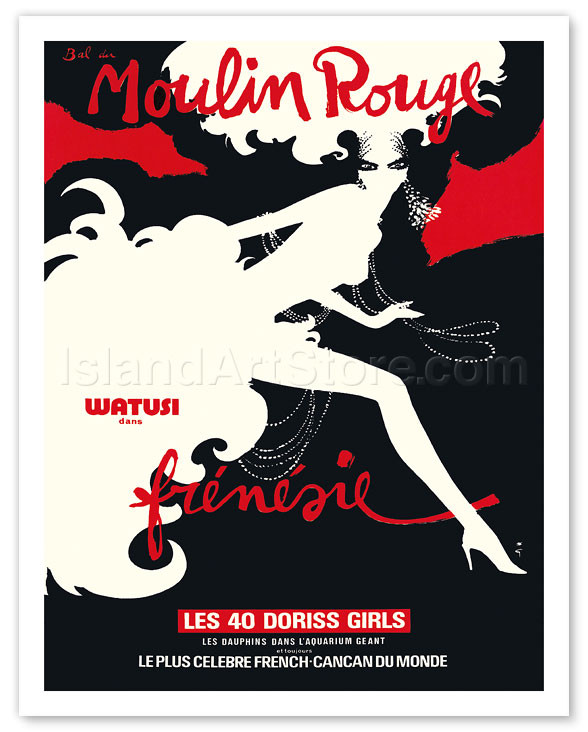
Displaying Vintage Posters to Highlight Their Timeless Appeal
Framing and Placement Tips
To maintain the quality and enhance the vintage feel, use UV-protective glass or acrylic when framing. This helps prevent fading from sunlight. Choose frames that complement the mid-century style, such as simple wood or metal designs, to keep the focus on the artwork.
Creating a Gallery Wall
Grouping vintage posters creates a statement piece that tells a story. Mix travel posters, vintage maps, and classic movie poster-style art to evoke nostalgia and wanderlust. Bundled sets, like those offered by Classic Vintage Posters, make decorating easier and more cohesive.
Bringing Vintage Charm to Your Walls
Choosing quality vintage poster reproductions is about more than decoration. It’s about connecting with history, storytelling, and timeless design. By focusing on archival materials, authentic colors, and trusted sources like Classic Vintage Posters, collectors and enthusiasts can confidently build a gallery-worthy collection.
Explore curated collections of vintage travel, classic movie posters, and Hawaiian art to find pieces that resonate with your style and passion. Add a classic poster to your wall today and enjoy the romance of vintage art every day.
Shop this collection to discover authentic reproductions that bring history and elegance to your home.
Frequently Asked Questions About Vintage Poster Reproductions
Are vintage poster reproductions considered collectible?
Yes, high-quality reproductions printed on archival materials can be collectible, especially when they are faithful to the original design and produced by reputable publishers. They offer a way to enjoy vintage art without the cost and fragility of originals.
How can I tell if a vintage poster is an original or a reproduction?
Original vintage posters often show signs of age, like paper discoloration, creases, or minor damage. Reproductions typically look newer and are printed on modern archival paper. Sellers should clearly state whether a poster is a reproduction to avoid confusion.
What printing methods are best for vintage poster reproductions?
Giclée printing is widely regarded as one of the best methods for reproducing vintage posters due to its high resolution and color accuracy. Lithography is the traditional method used for originals, but is less common for reproductions.
Can I find vintage poster reproductions with a Hawaiian theme?
Absolutely. Classic Vintage Posters offers a strong selection of vintage Hawaiiana prints, blending contemporary Hawaiian art and photography with classic island-inspired designs. These pieces bring a timeless tropical vibe to any space.
Recent Posts
-
Standard Poster Sizes Explained: The Ultimate Vintage Collector’s Guide
For anyone passionate about vintage posters, understanding standard poster sizes is key to building …Jan 22nd 2026 -

Uncle Sam Poster History: The Story Behind an American Icon
The image of Uncle Sam pointing directly at you is one of the most recognizable symbols of American …Jan 22nd 2026 -

Vintage Poster Collecting: Tips for Spotting Quality Reproductions
For those who cherish the charm of mid-century travel and advertising art, vintage posters offer a u …Jan 22nd 2026