














Description
Vintage Advertising Poster
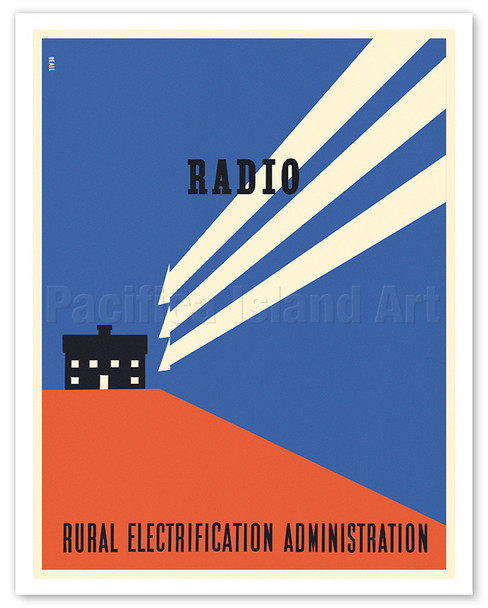
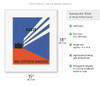
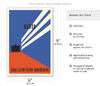
The image is a famous vintage advertising poster for the U.S. government's Rural Electrification Administration (REA) program, created by the renowned American graphic designer Lester Beall in 1937.
Poster Details
Designer: Lester Beall (1903–1969), one of the first graphic artists hired by the federal government.
Agency: Rural Electrification Administration (REA), established as part of Franklin D. Roosevelt's New Deal program to bring affordable electricity to rural areas.
Year: 1937.
Purpose: The poster was part of a series intended to convey the benefits of electricity to a rural audience, many of whom had minimal reading skills, by using simple, bold graphic language.
Message: The "Radio" poster's core message was that electricity would bring communication and entertainment to isolated homesteads, helping to relieve their isolation and create a more cohesive national society.
Design Style: Beall's modernist, eye-catching style, which included flat, unfussy illustrative elements and a patriotic color scheme, earned national acclaim and influenced American graphic design.
Legacy: This series of posters was highly successful, winning critical praise and becoming a benchmark in graphic design history.
View AllClose
The image is a famous vintage advertising poster for the U.S. government's Rural Electrification Administration (REA) program, created by the renowned American graphic designer Lester Beall in 1937.
Poster Details
Designer: Lester Beall (1903–1969), one of the first graphic artists hired by the federal government.
Agency: Rural Electrification Administration (REA), established as part of Franklin D. Roosevelt's New Deal program to bring affordable electricity to rural areas.
Year: 1937.
Purpose: The poster was part of a series intended to convey the benefits of electricity to a rural audience, many of whom had minimal reading skills, by using simple, bold graphic language.
Message: The "Radio" poster's core message was that electricity would bring communication and entertainment to isolated homesteads, helping to relieve their isolation and create a more cohesive national society.
Design Style: Beall's modernist, eye-catching style, which included flat, unfussy illustrative elements and a patriotic color scheme, earned national acclaim and influenced American graphic design.
Legacy: This series of posters was highly successful, winning critical praise and becoming a benchmark in graphic design history.


