














Description
From an Original Color Painting
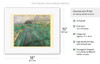
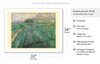
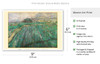
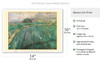
This is a reproduction of a painting titled Rain (also known as La Pluie or Wheat Field in Rain) by the renowned Dutch Post-Impressionist painter Vincent van Gogh. He created this oil-on-canvas work in November 1889 while a voluntary patient at the Saint-Paul-de-Mausole asylum in Saint-Rémy-de-Provence, France.
Painting Details
Artist: Vincent van Gogh
Title: Rain (La Pluie)
Date: 1889
Medium: Oil on canvas
Location: Philadelphia Museum of Art, United States
Key Aspects
View from the Asylum: The painting depicts the view of an enclosed wheat field from the window of Van Gogh's asylum room. He painted this specific field multiple times in different weather and seasons, but this is the only one in the rain.
Artistic Technique: Van Gogh depicted the heavy rain using a striking network of diagonal lines that run across the canvas, at a different angle to the lines in the field below. This stylistic choice was heavily influenced by his admiration for Japanese woodblock prints, particularly those by Hiroshige.
Emotional Expression: The "subdued greens, grape blues, and soft violets" of the autumn scene, combined with the intense brushwork of the rain, convey a sense of melancholy and the uncontrollable forces of nature, which some art historians interpret as a reflection of Van Gogh's inner emotional state and his struggle with mental illness. He associated rainstorms with the inevitability of human suffering, but also found solace in nature as a refuge from his troubles.
View AllClose
This is a reproduction of a painting titled Rain (also known as La Pluie or Wheat Field in Rain) by the renowned Dutch Post-Impressionist painter Vincent van Gogh. He created this oil-on-canvas work in November 1889 while a voluntary patient at the Saint-Paul-de-Mausole asylum in Saint-Rémy-de-Provence, France.
Painting Details
Artist: Vincent van Gogh
Title: Rain (La Pluie)
Date: 1889
Medium: Oil on canvas
Location: Philadelphia Museum of Art, United States
Key Aspects
View from the Asylum: The painting depicts the view of an enclosed wheat field from the window of Van Gogh's asylum room. He painted this specific field multiple times in different weather and seasons, but this is the only one in the rain.
Artistic Technique: Van Gogh depicted the heavy rain using a striking network of diagonal lines that run across the canvas, at a different angle to the lines in the field below. This stylistic choice was heavily influenced by his admiration for Japanese woodblock prints, particularly those by Hiroshige.
Emotional Expression: The "subdued greens, grape blues, and soft violets" of the autumn scene, combined with the intense brushwork of the rain, convey a sense of melancholy and the uncontrollable forces of nature, which some art historians interpret as a reflection of Van Gogh's inner emotional state and his struggle with mental illness. He associated rainstorms with the inevitability of human suffering, but also found solace in nature as a refuge from his troubles.


